Speakers
Meet the


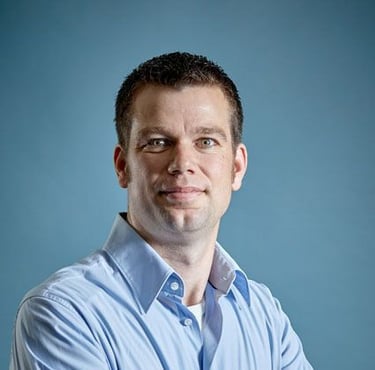
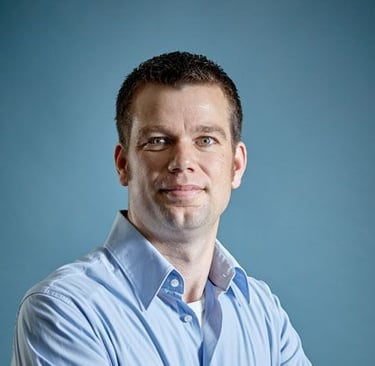
Dirk Brenner Luxembourg Institute of Health
The Brenner laboratory is strongly dedicated to cutting-edge research. As such, our group combines metabolic, molecular, cellular, and physiological approaches to unravel new ways to control immunity. Our vision is to develop new concepts for personalized medicine to mitigate inflammatory diseases through a mechanism-centered approach. As such, our group promotes a concept in which diseases are not treated based on symptoms, but on their mechanistic and individual cause. The immune system is crucial for a healthy body function and protects us from severe infection. However, dysregulated immunity can cause inflammation, autoimmune diseases and cancer. Specifically, the control of immune cell metabolism has emerged as a powerful way to regulate immunity. The Brenner laboratory investigates the metabolic regulation of the immune system and how this ensures a coordinated immune response and homeostasis. We seek to define the molecular, metabolic and cellular processes of inflammation and integrate in vitro with in vivo studies to gain a comprehensive picture of inflammation and cancer. A key aspect and focus of all our projects is the identification of novel metabolic checkpoints that influence the regulation of the immune system. One of these key circuits is the regulation of redox metabolism and reactive oxygen species (ROS) in immune cells. We investigate physiological consequences of ROS accumulation and their impact on immune cell function in health and disease.
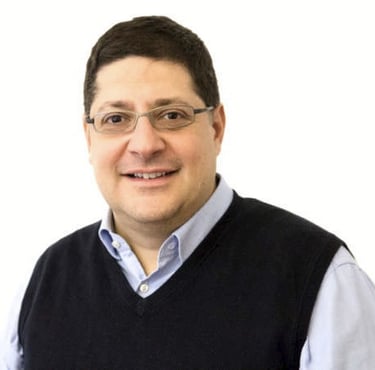
Triantafyllos Chavakis Dresden University of Technology
Prof. T. Chavakis is a clinician-scientist, specialized in Internal Medicine and Laboratory Medicine. From 2005-2010 he was principal investigator and head of the Inflammation Biology section of the Experimental Immunology Branch of the National Cancer Institute, NIH, Bethesda MD, USA. Since 2010 he is professor at the University Hospital Dresden, Dresden University of Technology, Germany and since 2017 Director of the Institute for Clinical Chemistry and Laboratory Medicine. His work focuses on innate immunity and immunometabolism. A major scientific focus in recent years is on trained immunity / innate immune memory. He has received 3 ERC Grants (Starting, Consolidator, Advanced) and is a member of the German National Academy of Sciences (since 2023).
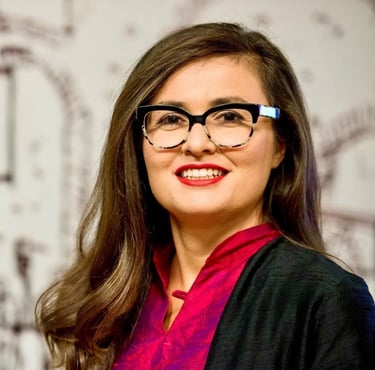
Ana Domingos University of Oxford
Ana I. Domingos is a Professor of Neuroscience focused on exploring the neurobiological basis of obesity, with a particular interest in the role of sympathetic neural networks. Her lab is moved by the idea that it is possible to pharmacologically modulate sympathetic neural networks to mitigate obesity without intolerable side effects.
Bart Everts Leiden University Medical Center
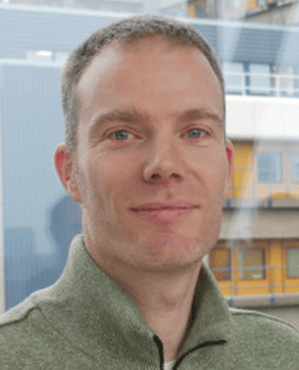
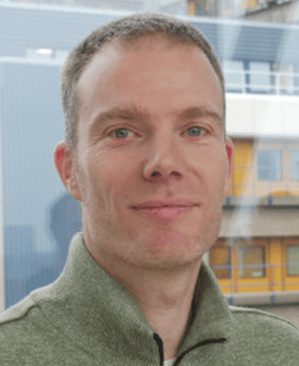
Dr. Bart Everts is an Associate Professor in Immunology at the Leiden University Center for Infectious Diseases (LUCID) at the Leiden University Medical Center, The Netherlands. He obtained his PhD at the department of Parasitology at the LUMC in 2010, after which he worked for 4 years as postdoctoral fellow on the then emerging field of immunometabolism at the School of Medicine of Washington University, St Louis, Missouri, USA. In 2014, he returned to the LUMC to start his own research line in Immunometabolism. With his group he aims to unravel the metabolic underpinnings of the immunoregulatory functions of DCs and macrophages, with the ultimate goal to identify metabolic pathways that can be targeted to manipulate the functional properties of myeloid cells for therapeutic purposes. He is founder of the European Immunometabolism Network that aims to accelerate immunometabolism research within Europe.


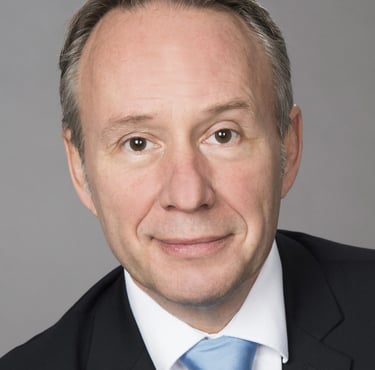
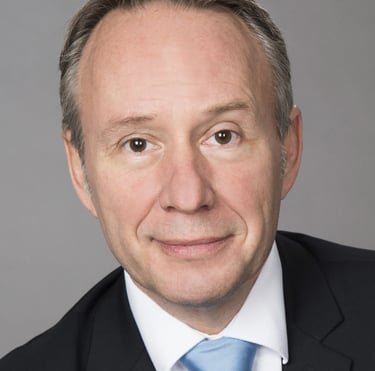
Klaas van Gisbergen Champalimaud Center Lisbon
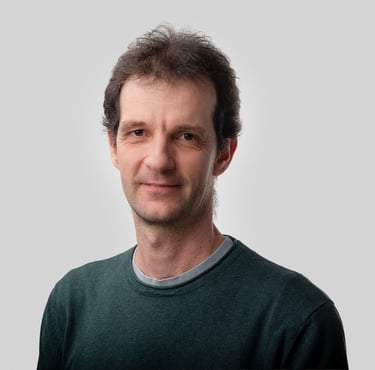
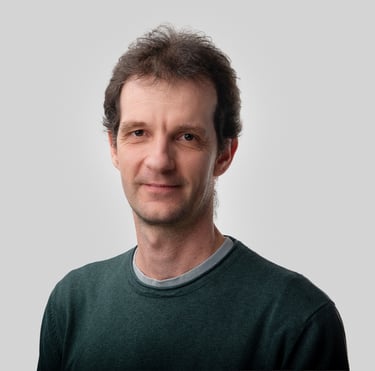
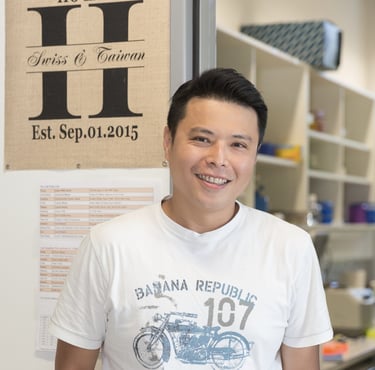
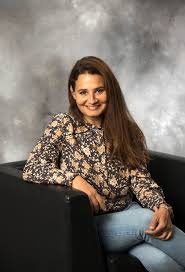
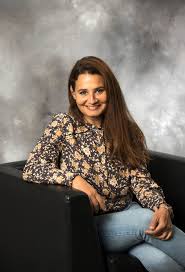
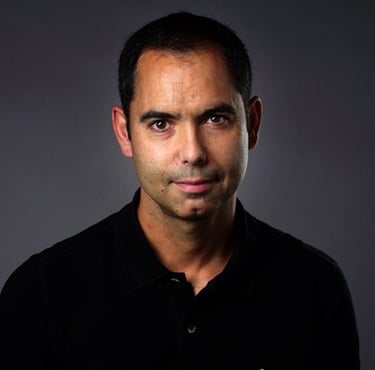
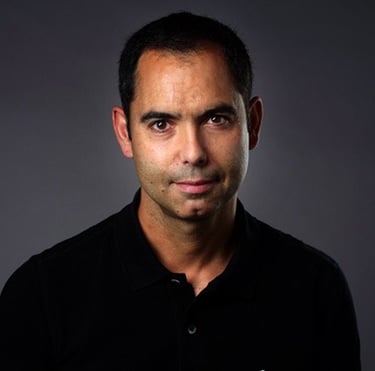
My PhD research was initiated at the VU University Medical Center in Amsterdam, Netherlands under the supervision of Drs Yvette van Kooyk and Theo Geijtenbeek in the Fall of 2001. I studied the cellular interactions of dendritic cells with other immune cells focusing on the receptor DC-SIGN. I uncovered how dendritic cells engage with neutrophils at the molecular level (JEM, 2005). Next, I switched my focus to T cell differentiation in my postdoc in the lab of Dr Rene van Lier at the Academic Medical Center in Amsterdam, Netherlands. I studied fundamental principles of how CD8 T cell responses maintain diversity to combat rapidly evolving viruses (Immunity, 2011). I also characterized a transcription factor that we named Hobit for Homologue of Blimp-1 in T cells (Nature Immunology, 2012). Then, I moved to the lab of Dr Axel Kallies at the WEHI in Melbourne, Australia as a visiting scientist, where we established how resident memory T cells develop under the control of Hobit and Blimp-1 (Science, 2016). In late 2014, I returned to Amsterdam, Netherlands at Sanquin Research to setup my lab, where we set out to study resident memory T cells (Trm). We found how Trm develop in primary responses (Science Immunology, 2021), how these cells contribute to secondary immune responses against re-encountered pathogens (Nature Immunology, 2020), how they are constrained to prevent tissue damage (Science Immunology, 2018) and how resident lymphocytes known as ILC1 develop into effectors (Nature Immunology, 2021). I have moved my lab to Champalimaud Research, Lisbon, Portugal in the Spring of 2023 to continue my work on T cell differentiation in tumor and infection settings.
Ping-Chih Ho Ludwig Institute for Cancer Research
I am a cancer immunologist, and my research focuses on immunometabolism in T cells and macrophages. My laboratory explores how the metabolic crosstalk between cancer cells and tumor-infiltrating immune cells shapes the immunosuppressive microenvironment that helps tumors evade immune clearance. Our ultimate goal is to exploit this knowledge to develop interventions to reprogram the tumor microenvironment, reverse immunosuppression and broaden and boost the efficacy of cancer immunotherapy.
Maria Mittelbrun Centro de Biologia Molecular Severo Ochoa
We have been pioneers proposing that the immune system, particularly T cells, controls tissue senescence and the onset of age-related diseases. We are now investigating how the immune system contributes to systemic senescence as well as to the general aging process. Would the rejuvenation of the immune system compartment suffice to delay organismal aging or at least some of its manifestations? An affirmative response to this question might have vast consequences for improving healthy aging.
Julija Hmeljak FEBS Press
Julija Hmeljak is managing editor at FEBS press. Julija obtained her PhD in Basic Medical Sciences at the University of Ljubljana, Slovenia, and went on to do post-doctoral work with Marc Ladanyi at Memorial Sloan Kettering Cancer Center, New York, working on the molecular mechanisms underpinning the development of rare cancers. Julija then joined Disease Models & Mechanisms, in 2017, where she served as Reviews and later Senior Editor, until taking up her new role of Managing Editor at The FEBS Journal in January 2024.
Tim Sparwasser Institute for Medical Microbiology Immunology & Hygiene
Tim Sparwasser studied human medicine at the Johannes-Gutenberg-University Mainz and the Ludwig-Maximilians-University Munich (LMU). After his doctorate he continued his research activities at the Institute for Medical Microbiology, Immunology and Hygiene (MIH) at the Technical University of Munich (TUM) and afterwards at the Skirball Institute as Howard Hughes Medical Institute (HHMI) Postdoctoral Fellow in New York. After his habilitation in 2008 he became director of the Institute of Infection Immunology at Twincore (Center for Experimental and Clinical Infection Research) a joint venture of the Hannover Medical School and the Helmholtz Centre for Infection Research. In 2018, he followed a call from the University of Mainz and became director of the Institute of Medical Microbiology and Hygiene (IMMH) after he had declined a corresponding call from the Technical University of Dresden in 2017. Since 2014 he is a council member of the German Society of Immunology (DGfI). Since 2018, he is a member of the steering committee of the Research Center for Immunotherapy (FZI) at the University of Mainz. In 2019 he was elected as German representative to the Council of the International Union of Immunology Societies (IUIS).
Soraya Taleb Paris Cardiovascular Research Center
Soraya Taleb is a Research Professor at the Paris Cardiovascular Research Center (PARCC). Her research focuses on the role of immune responses in cardiometabolic diseases, including obesity and atherosclerosis, with a particular interest in how diet influences the gut microbiota and cardiovascular health. Her recent work has uncovered mechanisms linking dietary factors, microbiota composition, and cardiometabolic disease development. Soraya Taleb has received several distinctions for her research, including awards from the French Society of Cardiology (2015 and 2021) and the French Academy of Medicine (2016). More recently, she was honored with the European Society of Cardiology Outstanding Achievement Award (2024) in recognition of her contributions to the field of cardiometabolism. Her research has been published in leading journals, including Nature Medicine, Cell Metabolism, Circulation, Circulation Research, and Cell Reports, among others.
Henrique Veiga-Fernandes Champalimaud Center Lisbon
Henrique Veiga-Fernandes studied Veterinary Medicine at Universidade de Lisboa, Portugal and at Università degli Studi di Milano, Italy. In 2002, he obtained a PhD in Immunology from Université René Descartes, Paris, France, before moving to the National Institute for Medical Research, London, UK. In 2009, he set up his laboratory at Instituto de Medicina Molecular, Portugal, and he served as member of the direction team from 2014 to 2016. Henrique Veiga-Fernandes joined the Champalimaud Centre for the Unknown, Portugal, in 2016 where he is Full investigator, and served as Champalimaud Research director from 2018 to 2024. Henrique Veiga-Fernandes made foundational discoveries in the areas of immunity and peripheral neuro-immune interactions.
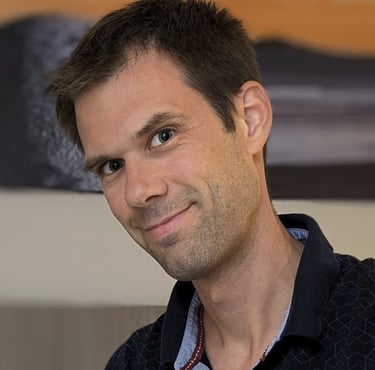
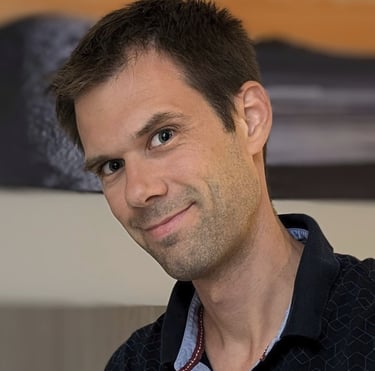
Felix Wensveen University of Rijeka Faculty of Medicine
My team investigates how CD8 T cells function as part of the physiological system that is our body. All organs in our body collaborate to maintain homeostasis of vital nutrients such as glucose, amino acids and lipids. Homeostasis is regulated through several systems, including the endocrine system which controls the activity of organs and mediates their secretion or absorption of nutrients. Our work aims to understand the interactions between the endocrine and immune system, with the ultimate purpose to ameliorate the immunological complications of metabolic disease.
Christina Zielinski University of Cambridge
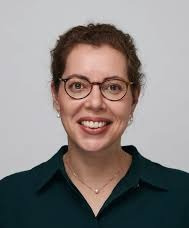
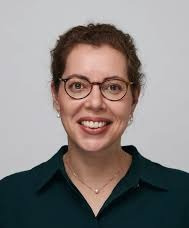
Christina Zielinski studied medicine at the University of Heidelberg (Germany), at Harvard University (USA) and Duke University (USA). Her MD thesis research was performed at Yale University as a scholar of the German National Merit Foundation where she focused on the role of T cells in the pathogenesis of lupus erythematosus. Christina performed her postdoctoral training as a scholar of the German Research Foundation in the lab of Federica Sallusto in Switzerland where she deciphered the regulatory cues that drive distinct functionalities of human Th17 cells. She then started her own research group as a clinical scientist at the Department of Dermatology at the Charité University Hospital in Berlin. Recently, she made the transition to the University of Cambridge, where she leads a new team.